
So you have booked your first hypnotherapy session. The decision is made, the appointment is in the calendar, and now your brain is quietly running through every question it can think of.
What will the room feel like? Will you actually go “under”? What if it does not work on you? These are the questions almost every first time client in Australia turns up with, and they are completely fair.
Hypnotherapy is one of those experiences that sounds far stranger from the outside than it ever feels from the inside. The good news is that walking in prepared changes everything.
By the end of this read, you will know exactly what happens from the moment you arrive, how your body and mind will respond, and how to get the most out of the hour ahead.
What Actually Happens During Your First Hypnotherapy Session
Your first hypnotherapy session moves through five clear phases: an intake conversation, goal setting, an induction, the therapeutic work, and a gentle return to full awareness. The whole thing usually runs 60 to 90 minutes.
Here is the shape of the hour at a glance:
| Phase | What happens | Roughly how long |
| Intake | Conversation about your history, goals, and concerns | 15 to 20 mins |
| Goal setting | Agreeing on one clear outcome for the session | 5 mins |
| Induction | Guided relaxation that eases you into focused awareness | 5 to 10 mins |
| Therapeutic work | The actual change work, tailored to your goal | 25 to 40 mins |
| Return and debrief | Counted back to full alertness, then a short chat | 5 to 10 mins |
Hypnotherapy is a guided, focused state of relaxed awareness used to support behavioural and emotional change.
You stay awake the whole time, you hear everything around you, you can speak, and you can stop whenever you want.
It helps to know where it sits next to other states people often confuse it with:
- Sleep: you are offline and unaware.
- Meditation: self directed, usually open ended, with no specific outcome.
- Stage hypnosis: entertainment built around suggestible volunteers and a crowd.
- Clinical hypnotherapy: collaborative therapeutic work done while your nervous system is dialled down, which is part of why it slips past the overthinking that keeps real change at arm’s length.
The Australian Hypnotherapists Association and a growing body of peer reviewed research support its use for anxiety, pain, sleep, and habit change.
Once the intake is done, you and your hypnotherapist agree on one clear outcome for the hour. Specific beats vague every time. “I want to stop reaching for my phone the second I feel anxious” gives the work somewhere to land.
The induction is usually a guided relaxation, something like progressive muscle relaxation or a breath led visualisation, and most people feel their shoulders drop within a few minutes.
From there, the therapeutic phase shifts depending on your goal. It might involve:
- Guided imagery that anchors a calmer response to a familiar trigger
- Reframing a memory so it stops carrying the same emotional charge
- Rehearsing a new behaviour until it feels automatic
- Working with the part of you that has been running an unhelpful pattern on autopilot
When the work is done, your hypnotherapist brings you back gradually, counts you up, and leaves time at the end for questions, water, and a short chat about what to notice over the next few days.
The Intake Conversation: What Your Hypnotherapist Will Ask

The first 15 to 20 minutes are conversation, and nothing else. Your hypnotherapist is building a clear picture of you so the rest of the session lands properly. Expect questions like:
- What brings you in, and how long has it been going on?
- What have you already tried, and what worked or did not?
- What does success actually look like for you, in plain words?
- Are there any health conditions, medications, or past experiences worth flagging?
- What are you nervous or unsure about right now?
You answer at the depth you are comfortable with. Nothing is forced, nothing is pulled out of you, and you stay fully in charge of what gets shared.
If a question feels like too much, you say so, and your hypnotherapist moves on. The whole intake is collaborative, which is part of why so many clients feel noticeably calmer before the induction even begins.
How to Prepare for Your First Hypnotherapy Appointment
Preparing for your first session is mostly about taking the friction out of the hour, so you arrive ready to actually do the work.
A few small choices in the 24 hours before make a noticeable difference once you sit down. Here is what to sort, in roughly the order you will need it.
Hydrate Through the Day and Eat Light
Drink water steadily across the day, and skip the heavy lunch. A settled stomach holds relaxation far better than a full one, and dehydration tends to sharpen the kind of low key restlessness you are trying to ease.
Wear Something You Would Happily Nap In
You will be sitting or reclining for an hour or so, and tight waistbands have a way of pulling you out of a calm state right when you are dropping into it. Soft layers work well, since rooms can run cool once you stop moving.
Arrive With a Buffer
Give yourself ten minutes on arrival, longer if you are driving into the Sydney CBD or anywhere parking turns into a sport. Walking in flustered shifts the first few minutes of the session into recovery mode, which is time you would rather spend on the actual work.
Jot Down One or Two Intentions
Before you leave the house, write down what you want from the hour, specific and in your own words. Something like “I want to stop bracing every time my manager calls” gives your hypnotherapist somewhere to aim, and saves you fumbling for words during intake.
Confirm the Format
Most Australian clinics now run both in person and telehealth sessions, so check with your hypnotherapist a day or two before.
If you are doing it from home, set up a quiet room with headphones, close the door, and tell anyone you live with that you will be offline for the next 90 minutes.
What Does Hypnotherapy Actually Feel Like for First Timers?

Most people describe hypnotherapy as a deeply relaxed, daydream like state where they stay aware, in control, and able to speak or stop the session at any point.
You hear everything, you remember everything, and you can open your eyes whenever you choose.
Sensory wise, expect a pleasant heaviness in your limbs, breathing that slows without you steering it, and a slight warping of time, so 40 minutes can feel like ten.
The worry of “what if I cannot be hypnotised?” comes up almost every first session. Around 80% of people sit in the medium responsiveness range, with another 10% scoring high, meaning the overwhelming majority reach a useful working state with a skilled practitioner.
How Long Is a Session, and How Many Will You Need?
A first hypnotherapy session in Australia typically runs 60 to 90 minutes, and most clients see meaningful results within 3 to 6 sessions depending on the goal. The first appointment usually sits at the longer end because of the intake.
Session count shifts with three things: how layered the issue is, how readily you settle into the work, and what is going on around you between appointments.
Smoking cessation often resolves in 1 to 3 sessions. Anxiety reduction and confidence work tend to land in the 4 to 6 range.
Weight management runs longer, usually 6 to 8, since it sits on top of daily habits.
Finding a Qualified Clinical Hypnotherapist in Australia
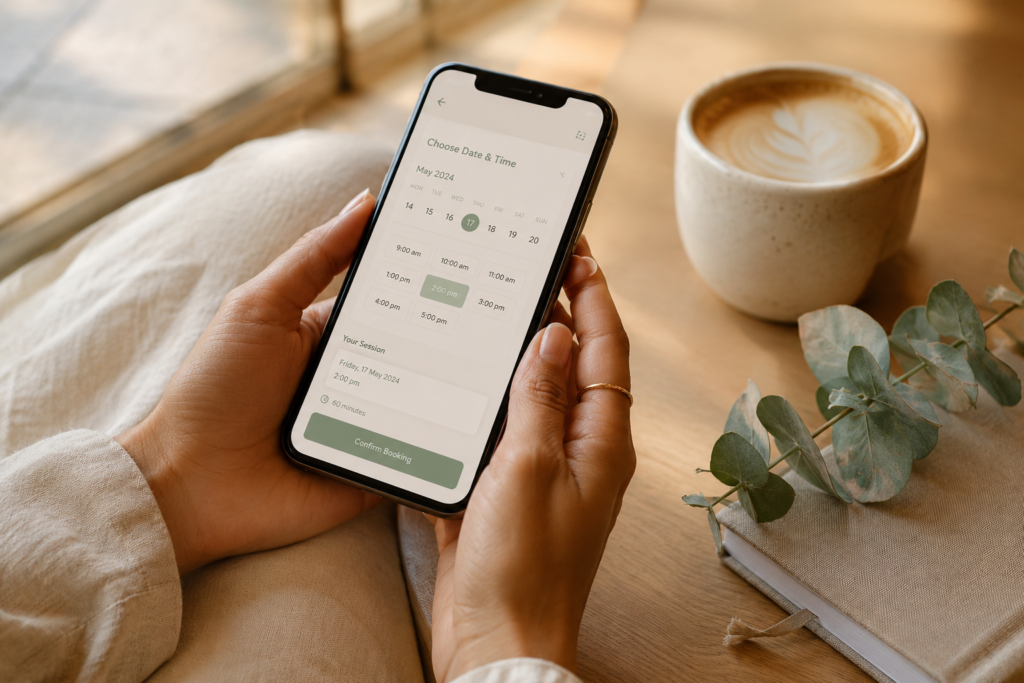
The hypnotherapy industry in Australia is self regulated, so the responsibility of vetting a practitioner sits with you. A few markers narrow the field quickly:
- Membership with a recognised body, such as the Australian Hypnotherapists Association (AHA) or the Hypnotherapy Council of Australia (HCA). Membership signals that the practitioner meets minimum training and ethical standards, and stays on top of ongoing professional development.
- Formal clinical training, ideally a diploma or advanced diploma in clinical hypnotherapy from an accredited Australian provider, alongside any complementary qualifications in counselling, psychology, or coaching.
- A clear specialisation that matches what you are working on. A hypnotherapist who treats anxiety and confidence issues every week will move faster on those goals than a generalist working across twenty different areas.
- An approach that feels right for you, since the relationship matters as much as the technique. Calm, warm, no pressure, and easy to talk to are the qualities that tend to predict a good outcome.
- A pre session consultation, usually 15 to 30 minutes, free or low cost. Reputable Australian practitioners offer this so you can ask questions, check the fit, and decide whether to book the full session.
At HypnoGenie (hypnogenie.com.au), every client starts with that kind of calm, unhurried onboarding.
The clinic ticks each of the boxes above and builds the first conversation around your questions, so you walk into your first full session knowing exactly who you are working with and what the hour will look like.
Key Takeaway
Your first hypnotherapy session is far gentler, more collaborative, and more grounded than most people expect.
You now know what happens during the hour, how to prepare the day before, what the experience actually feels like, how long the work usually takes, and what to look for in a qualified practitioner. The only thing left is the booking.
If you are ready to take the first calm step, book a free initial consultation with HypnoGenie at hypnogenie.com.au. Bring your questions, bring your goal, and let the rest unfold from there.
Frequently Asked Questions
How much does a hypnotherapy session cost in Australia?
Most clinical hypnotherapists in Australia charge between $150 and $300 per session, with the first appointment often priced higher because it runs longer. Multi session packages usually bring the per session cost down. Pricing varies by city, practitioner experience, and specialisation, so confirm the fee structure before you book.
Is hypnotherapy covered by Medicare or private health insurance?
Hypnotherapy is not currently covered by Medicare in Australia. Some private health funds offer partial rebates under extras cover, depending on your policy and the practitioner’s accreditation with bodies like the AHA or HCA. Check with your insurer first, and ask the clinic for a sample receipt if you need one for the claim.
Can a hypnotherapist make you do something against your will?
No. Hypnotherapy works as a collaboration, and you stay aware throughout the session. Any suggestion that clashes with your values, safety, or judgement simply will not land, because your conscious mind remains active. Stage performances rely on volunteers who already want to participate, which is a very different setup.
Are there any side effects after a hypnotherapy session?
Most people leave a session feeling calm, slightly dreamy, and a little tired for an hour or so. Some notice clearer sleep that night, or unexpected emotions surfacing over the next few days as the work integrates. Skip heavy decisions or long drives straight after if you feel particularly relaxed.
Is hypnotherapy safe if you have anxiety, depression, or past trauma?
Yes, when handled by a qualified clinical hypnotherapist. A good practitioner will screen during intake, adjust the approach to your history, and refer you on if hypnotherapy is not the right fit. For complex trauma or severe mental health conditions, work alongside your GP or psychologist is usually recommended.
Does hypnotherapy work as well over telehealth as in person?
Yes, for most goals. Australian clinics have run telehealth hypnotherapy successfully for years, and outcomes are comparable to in person work. The setup matters more than the format, so use a quiet room, decent headphones, and a closed door. Some clients actually relax faster at home in a familiar space.
What should you do between hypnotherapy sessions?
Use the time to notice, not to overthink. Most hypnotherapists give you a short audio recording, a journaling prompt, or a simple behavioural cue to practise between appointments. Small consistent reinforcement matters more than effort, since the work continues quietly in the background once the session ends.